






Where should you live when relocating between Dayton and Cincinnati?
Relocating between Dayton and Cincinnati comes down to which direction you travel most. Hamilton and Middletown sit in Butler County on the I-75 corridor side, while Lebanon sits in Warren County with stronger ties to I-71 and the U.S. 42/State Route 63 connections. Pick the base that shortens the trips you make every week, then compare housing type and price inside that shortlist.
Key Takeaways
- Recent local market data shows a median sale price of $269,000 for the Cincinnati area across homes sold over roughly the past 90 days, with a median of 13 days from listing to going under contract.
- Hamilton's median sale price is $289,450 and Middletown's is $252,000 in the same aggregated data, a gap of about $37,000 between two I-75 corridor bases.
- Hamilton and Middletown are Butler County bases oriented around I-75 and parallel state and U.S. routes, while Lebanon is a Warren County base that leans on I-71 and U.S. 42/State Route 63.
- Construction can change your route choice, as ODOT's September 2026 notice for I-275 between U.S. 42 and I-75 showed, so judge a base on its normal routes and not one bad week.
- Each of the three communities contains older in-town housing, established subdivisions, and newer construction, so a citywide median only tells you part of the story.
How do Hamilton, Middletown, and Lebanon compare by route?
Hamilton and Middletown favor trips along the I-75 corridor, and Lebanon favors I-71 and Warren County destinations. The right answer depends on where you go every week, not on which city sounds closest to the middle of the map.
Here's the starting point I use with clients who are relocating between Dayton and Cincinnati. We don't compare cities first. We compare the places you have to reach.
Hamilton and Middletown: the I-75 side
Both are Butler County communities on the Dayton to Cincinnati corridor, which is served principally by I-75 and parallel state and U.S. routes. Hamilton connects toward Cincinnati through the northern suburban road network and toward Dayton through the I-75 corridor. Middletown gives you I-75 access that keeps both metro areas in reach.
If your regular stops include a Dayton employer or medical office and a Cincinnati one, this pair deserves the first look. Since route patterns shift with construction and traffic, I'd rather have you drive your own trips than rely on a map estimate.
Lebanon: the I-71 and Warren County side
Lebanon is in Warren County and it isn't simply an I-75 alternative. It makes the most sense when your recurring destinations are Cincinnati's northern and eastern suburbs, Mason and other Warren County activity centers, or anything along the I-71 corridor. If you're headed west toward Dayton every day, Lebanon works against you.
If your regular destination is... | Where I usually start the search |
|---|---|
Dayton area, with occasional Cincinnati trips | Middletown, then Hamilton |
Cincinnati via the I-75 corridor | Hamilton or Middletown |
Cincinnati's northern or eastern suburbs, Mason, or I-71 | Lebanon |
Both Dayton and Cincinnati, split evenly | All three, tested by actual drive |
What about construction and closures?
Roadwork can change which route makes sense on a given day. In September 2026, ODOT reported overnight lane and ramp restrictions on I-275 between U.S. 42 and I-75 in Hamilton County, including temporary ramp closures connecting I-275 and I-75. That was time-bound work, not a permanent condition. Still, it's a good reminder to test a route more than once before you commit.
For traffic-volume background on state routes, ODOT publishes an annual Facts Book. I wouldn't promise you a fixed drive time from any of these cities, because it swings with destination, hour, and incidents.
How do housing options compare in Hamilton, Middletown, and Lebanon?
The three communities differ in price, and they each contain several housing types. A single citywide number hides that, so I sort homes into categories first and compare prices second.
Recent local market data for the Cincinnati area shows 1,240 homes for sale now, 456 new listings in the last 30 days, and 1,496 homes sold over roughly the past 90 days. Here is the area-level median sale price for several communities on the corridor:
Area | Median Sale Price |
|---|---|
"Dayton" | $145,000 |
"Cincinatti" | $269,000 |
"Hamilton" | $289,450 |
"Middletown" | $252,000 |
"Oxford" | $325,000 |
"Fairfield" | $262,500 |
"West Chester" | $420,000 |
These are area-level medians. An individual home's value depends on condition, street, build year, and timing. For Lebanon, pricing swings widely by property type, so I pull current comparables for it alongside Hamilton and Middletown instead of quoting a single figure.
Which housing categories should you compare?
I use five categories, because they tell you more than a median does:
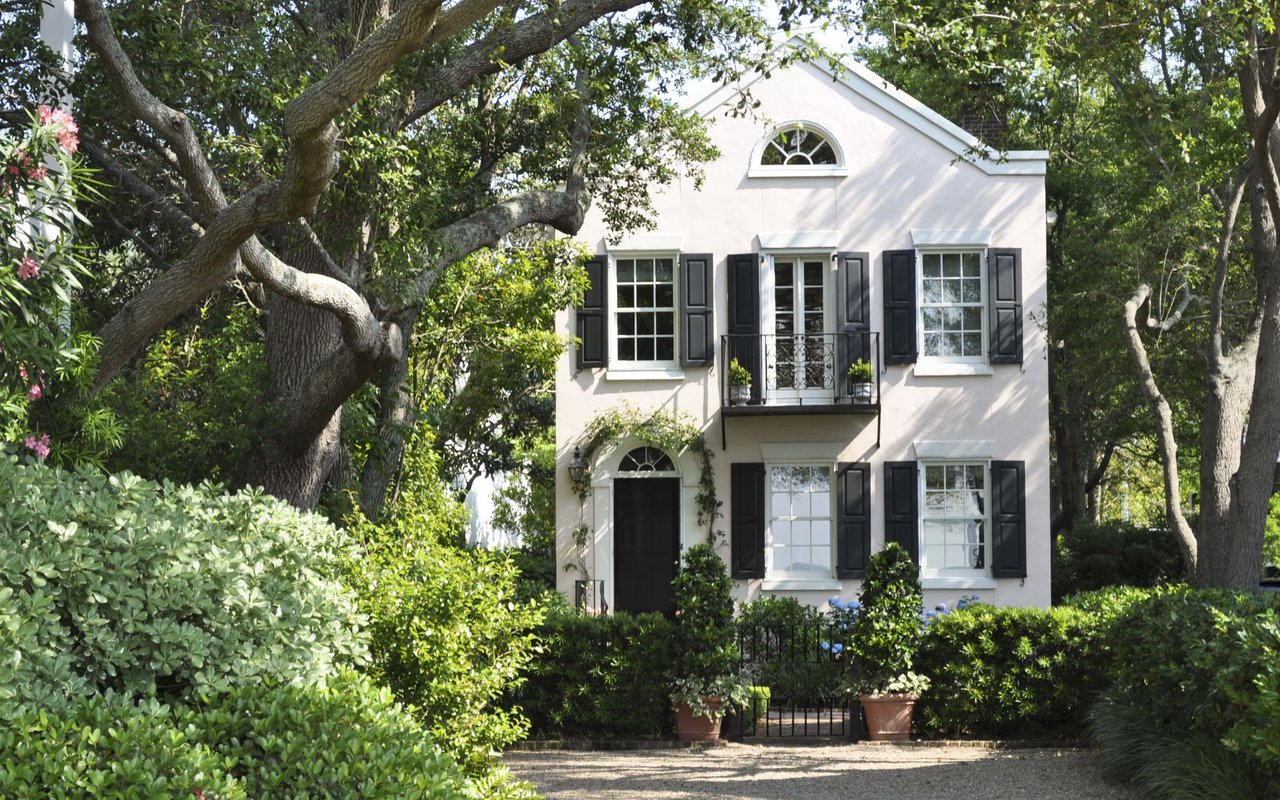
- Older in-town housing: Hamilton has historic in-town neighborhoods, and you'll find older homes in Middletown and Lebanon too. Expect more character and more maintenance questions.
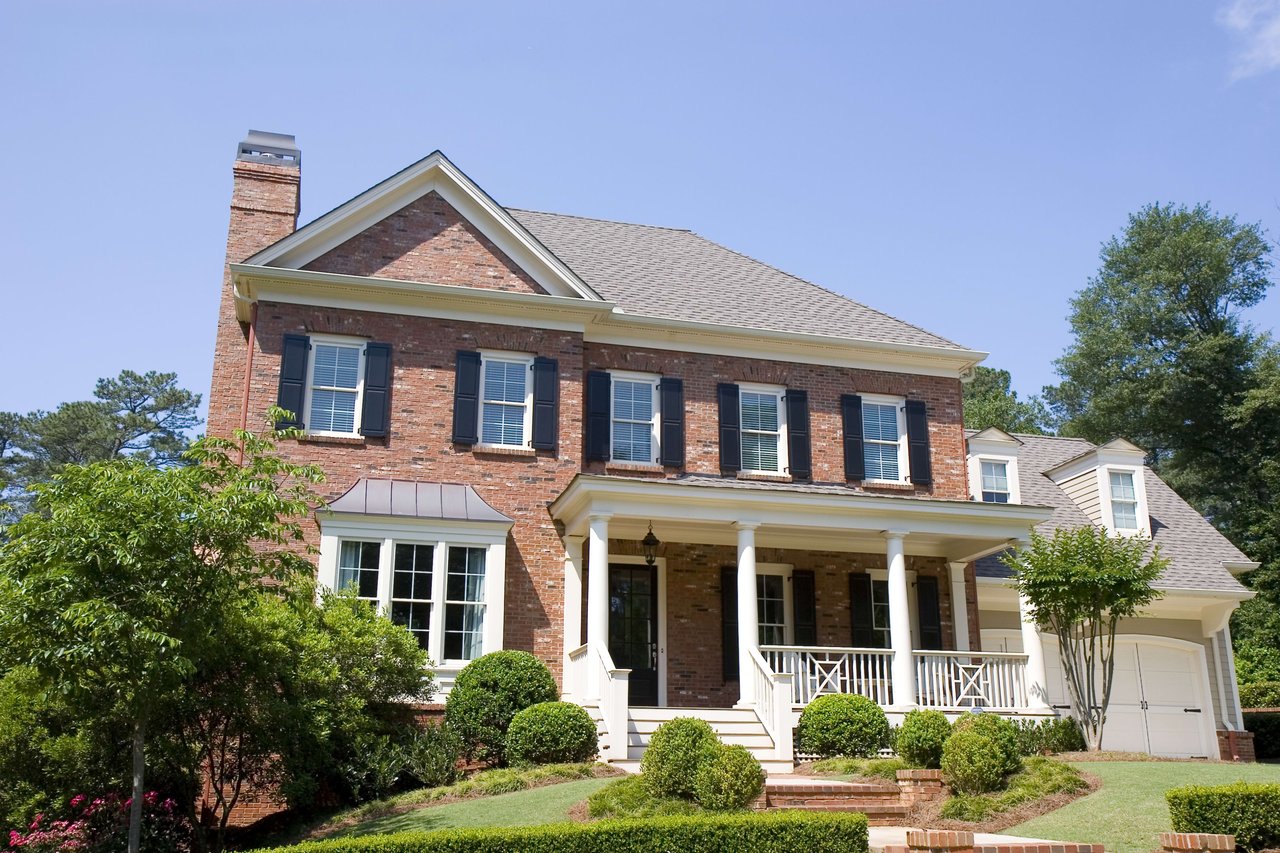
- Established suburban subdivisions: Mid-sized lots and a settled street pattern, often with a more predictable layout.
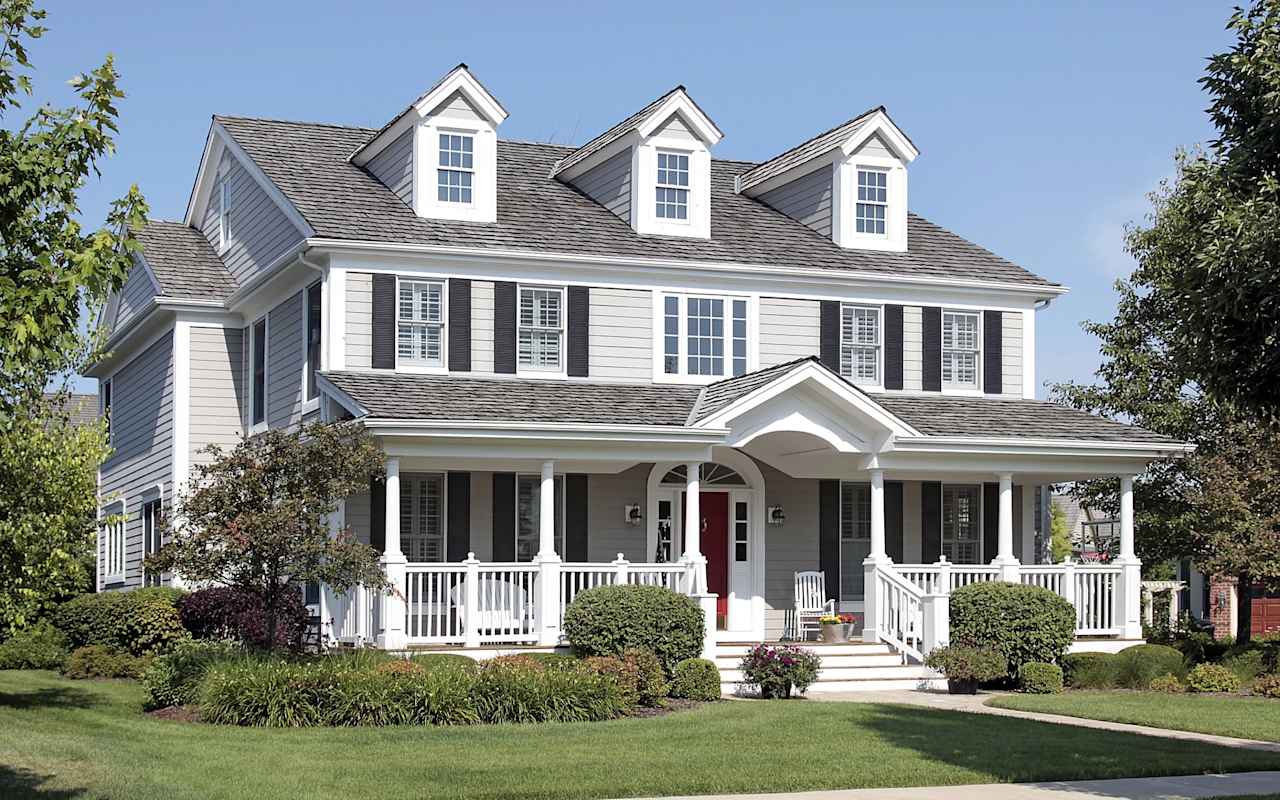
- Newer construction: Typically on the outer edges of each community. If this is your target, read about new developments and housing projects to watch.
- Larger-lot or semi-rural property: More land, usually a longer drive to the highway.
- Condominium or low-maintenance options: Useful when you want less upkeep and don't need a yard.
Budget matters here too. My overview of what it costs to buy a home in Southwest Ohio covers the categories of expense, and this look at whether it's a good time to buy adds market context.
What steps should you take when relocating between Dayton and Cincinnati?
Map your weekly destinations, test the drives, then compare homes inside the bases that pass. Doing it in that order keeps you from falling for a house on a route that doesn't work for your life.
- List every recurring destination. Workplaces, medical offices, the airport, relatives' homes, and the places you go most weekends.
- Sort them by direction. West toward Dayton, south toward Cincinnati, or east toward Mason and Warren County.
- Drive the routes at the hours you'd really travel. Do it more than once, and do it before you write an offer.
- Choose your housing categories. Decide whether you want older in-town, suburban, newer, larger-lot, or low-maintenance.
- Narrow to two bases and compare comparables. Price, lot, age, and condition on specific streets matter more than the city label.
- Confirm financing early. Check your lender's limits and your timeline, especially if you're selling a home elsewhere at the same time.
Your answer will be specific to your destinations and your timeline. That's the part I work through with relocating clients before we ever tour a house. If you want to talk it through, I'm glad to schedule a consultation and map your routes with you.
If you'd like to hear from past clients first, you can read my reviews on Zillow.
FAQ
Is Hamilton or Middletown better for commuting to both Cincinnati and Dayton?
Neither wins automatically, because both are Butler County bases on the I-75 corridor side. Middletown can suit you better if Dayton is the more frequent destination, and Hamilton can suit you better if your Cincinnati trips go through the northern suburban network. Drive your real trips from both before choosing.
Is Lebanon a practical home base for commuting to Cincinnati every day?
It can be, depending on where in the Cincinnati area you go. Lebanon is in Warren County with I-71 and U.S. 42/State Route 63 connections, so it fits the northern and eastern suburbs best. Test the drive to your exact destination at your actual hours before you commit.
Which city has more affordable homes: Hamilton, Middletown, or Lebanon?
Middletown's median sale price of $252,000 is lower than Hamilton's $289,450 in recent aggregated listing data covering the past 90 days. Lebanon varies widely by property type, so I compare it with current comparables. A median is a starting point, and the home's condition, age, and street drive the real number.
What should I consider if my household commutes in opposite directions?
Map both sets of weekly destinations and look for a base that keeps both drives workable instead of making one perfect and one painful. A split household often ends up comparing Middletown or Hamilton against Lebanon. Drive both routes in the morning and the evening before you decide.
Which city is better for older homes, newer subdivisions, or larger lots?
All three communities offer a mix, so search by housing category instead of by city name. Hamilton has historic in-town neighborhoods and newer outer-edge development, and Middletown and Lebanon each have established and newer areas as well. I check the specific streets to see which category you'd actually be buying into.
Relocating between Dayton and Cincinnati is easier when you choose the route first and the house second. If you're also curious how a specific home would price, you can request a free home evaluation, and I'll walk you through the corridor with the Howell Home Team behind you.
Equal Housing Opportunity. Each office is independently owned and operated. Real estate licensees in Ohio are regulated by the Ohio Division of Real Estate & Professional Licensing. This article is general information, not legal, tax, or financial advice; confirm your own numbers with your closing agent, tax advisor, or lender.